Water Cleanup
Water pulled from tile, carpet and wood floors and from under baseboards, day or night.
View service (602) 878-5475
North Phoenix, Arizona
A gray plastic pipe that split in the wall, an AC pan overflowing in the attic, a washer upstairs that flooded the ceiling below, water under the slider after a monsoon storm. One call connects you with a local restoration company that can get the water out and the house dry.
North Phoenix Water Damage is a free referral service, not a restoration company. Calls are answered by independent local providers who set their own prices.
Water damage restoration in North Phoenix means stopping the leak, removing the water, drying walls, ceilings, cabinets and the slab with fans and dehumidifiers, and replacing what could not be saved. Homes here are mostly from the 1970s to the 2000s, so polybutylene pipe, slab leaks, AC condensate lines and upstairs leaks are the usual causes.
Water damage in North Phoenix
Water damage restoration in North Phoenix gets a wet home dry again, whether the water came from polybutylene pipe that finally cracked, a copper line leaking under the slab, an upstairs bathroom or laundry, an AC air handler pan that overflowed in the attic or a monsoon storm that got under the roof tiles or the slider. Pipes inside the home are the owner's responsibility, so the cleanup is a call to a private company.
Your call goes to an independent local restoration company that explains what it will measure, what may need to come out and how the price is set before equipment is set up.
Pick the page that fits. Standing water calls for water cleanup in North Phoenix. Gray plastic pipe that burst is polybutylene pipe leaks. A warm floor and a high bill point to slab leak cleanup. Water through a ceiling from above is upstairs leak and ceiling damage, or AC condensate leak damage if it is near the air handler. Water after a storm is monsoon storm water damage, and growth after a hidden leak is mold remediation.
Neighborhoods differ: Deer Valley along I-17, newer homes in Norterra and Anthem, and established streets in Paradise Valley Village and Moon Valley.
First steps
Close the main valve near the front hose bib or in the garage. For a water heater, close the cold line above the tank. For an AC overflow, turn the system off at the thermostat.
Keep out of water near outlets and cords. Turn off breakers for wet rooms only from a dry floor. Stay out from under a sagging ceiling.
Photograph the water, the source and damaged belongings before anything is moved.
Call (602) 878-5475. Water from upstairs soaks insulation and drywall fast; quick drying saves the ceiling.
Services
Each page explains the work in plain words and lists what to ask the company.
Water pulled from tile, carpet and wood floors and from under baseboards, day or night.
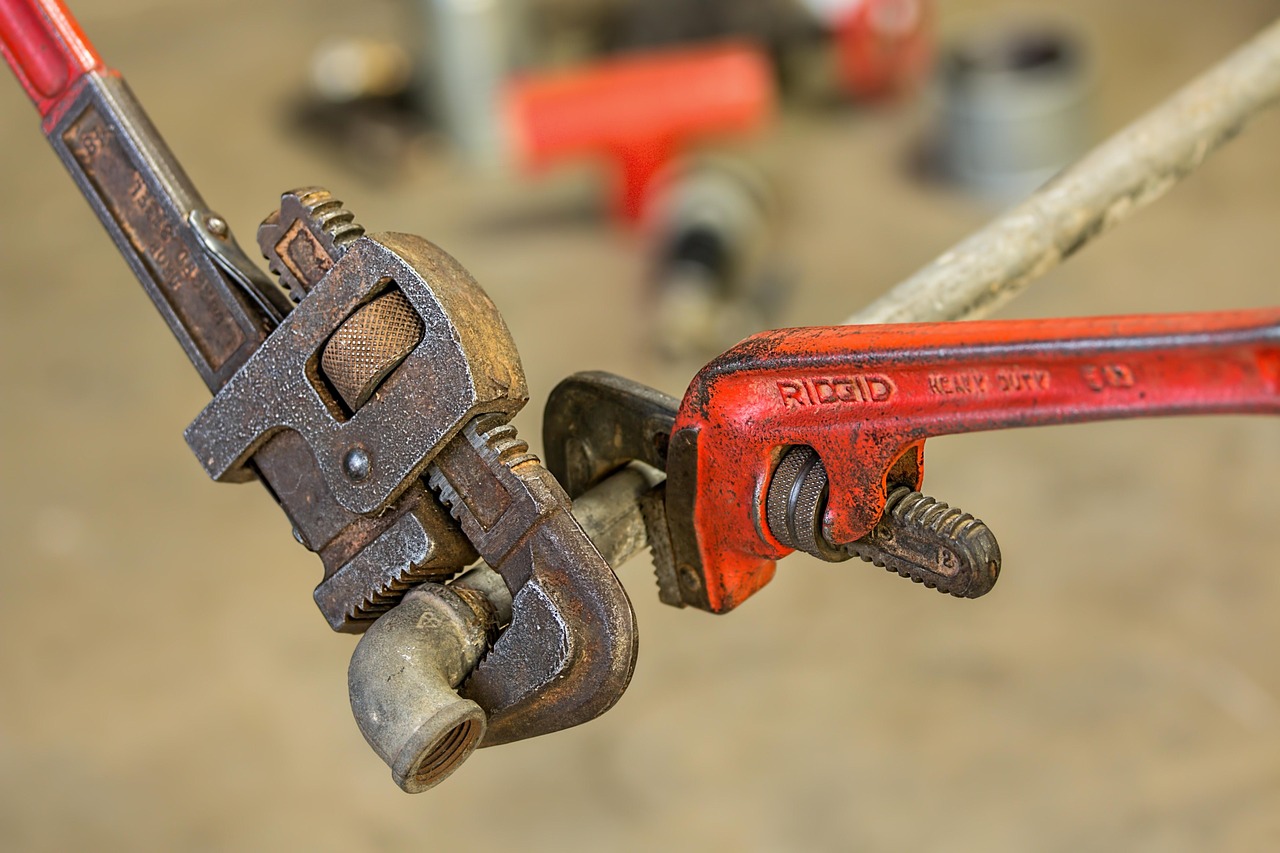
Leaks and bursts from gray plastic pipe in 1980s and early 90s homes cleaned up and dried.

Water from a line under the slab removed and floors, walls and cabinets dried.

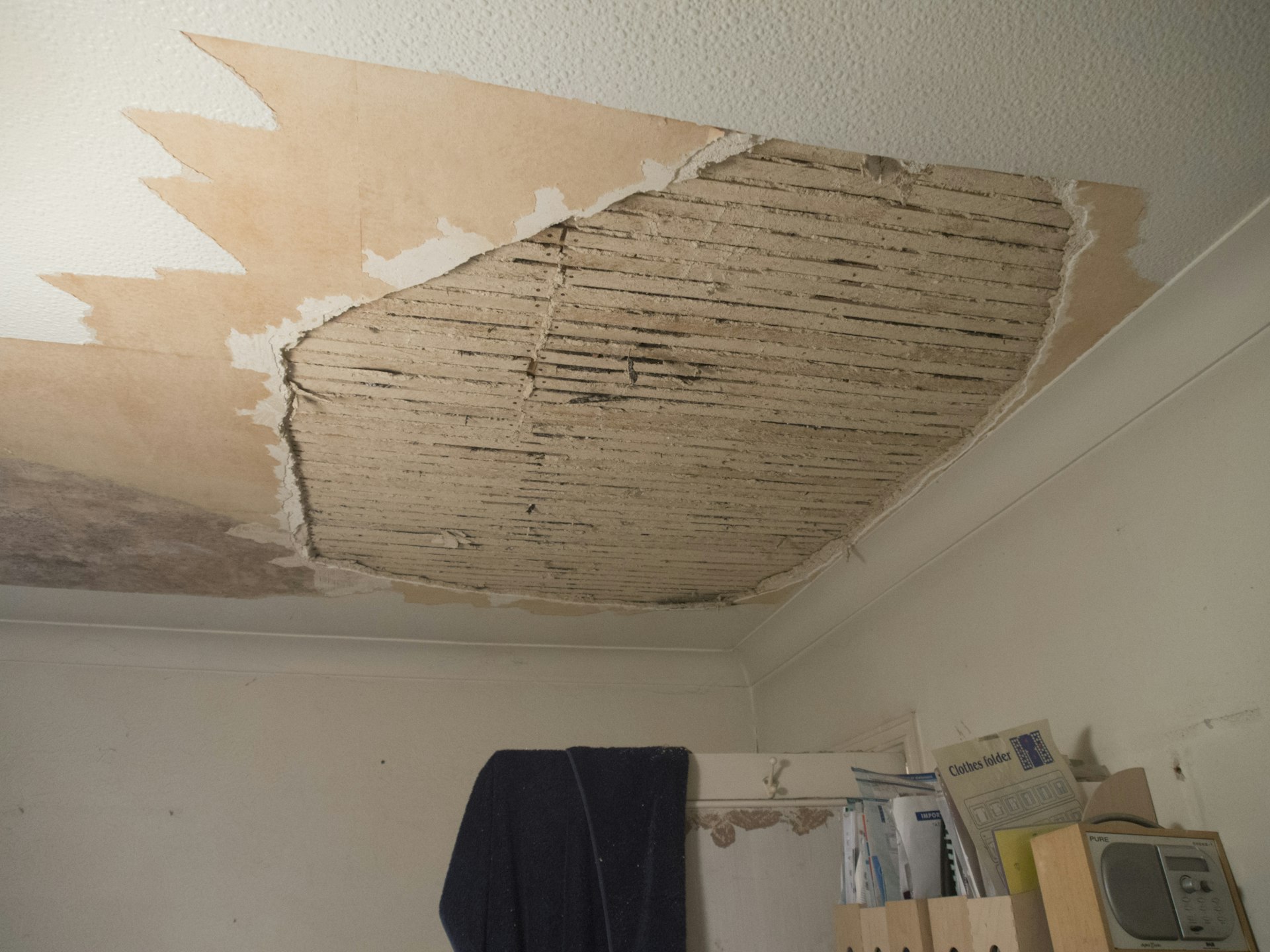
Water from an upstairs bath, laundry or AC that came through the ceiling below.
Overflowing air handler pans in attics and closets, and the wet ceilings they leave.
Roof leaks and runoff at doors after summer storms, dried and documented.
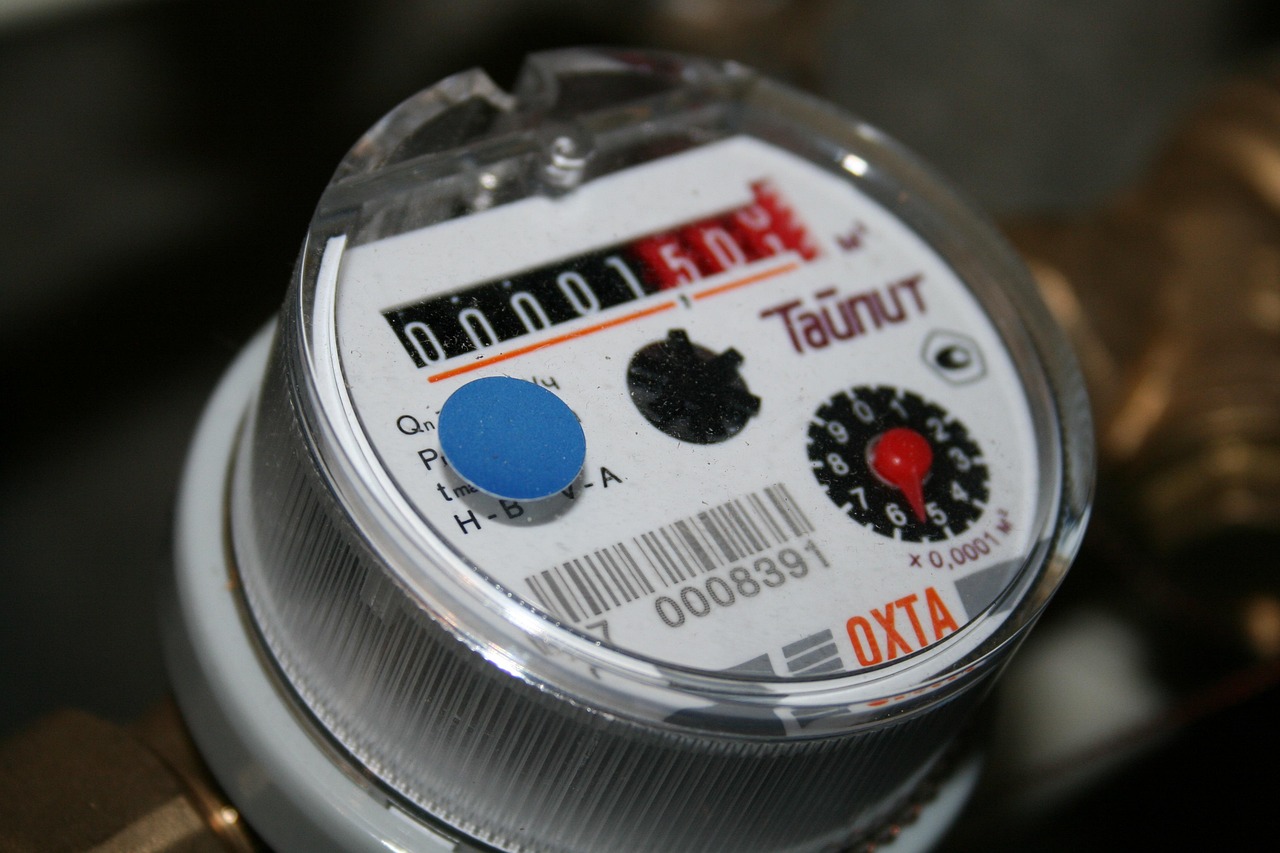
Mold after a hidden leak contained, removed and the moisture source fixed.
Arizona contractors, including plumbers, roofers and HVAC companies, are licensed by the Registrar of Contractors. Ask for the license number and check it with the Arizona ROC license lookup before work starts. Ask too whether the technicians hold IICRC water damage certification.
North Phoenix covers the city's northern neighborhoods, from Moon Valley and Paradise Valley Village around Bell and Cactus Roads up through Deer Valley along I-17 and into the newer master-planned communities near the Loop 101 and Anthem. Most homes here were built between the 1970s and the 2000s, many of them two-story, on concrete slabs with tile roofs.
That shapes the water damage seen here. Homes built from the late 1970s to the mid-1990s often have polybutylene supply pipe, a gray plastic that becomes brittle and can split without warning. Newer homes have copper or PEX, but copper lines under the slab can develop pinhole leaks in hard water. Upstairs bathrooms, laundry rooms and AC air handlers in attics put water above living space. And from June 15 to September 30, monsoon storms test tile roof underlayment and send runoff toward doors near washes.
Most of this area gets water from City of Phoenix Water Services; parts of 85086, such as Anthem, are served by a private utility. Either way, the utility handles the meter and the line up to it, and everything on the house side belongs to the owner.
Project gallery

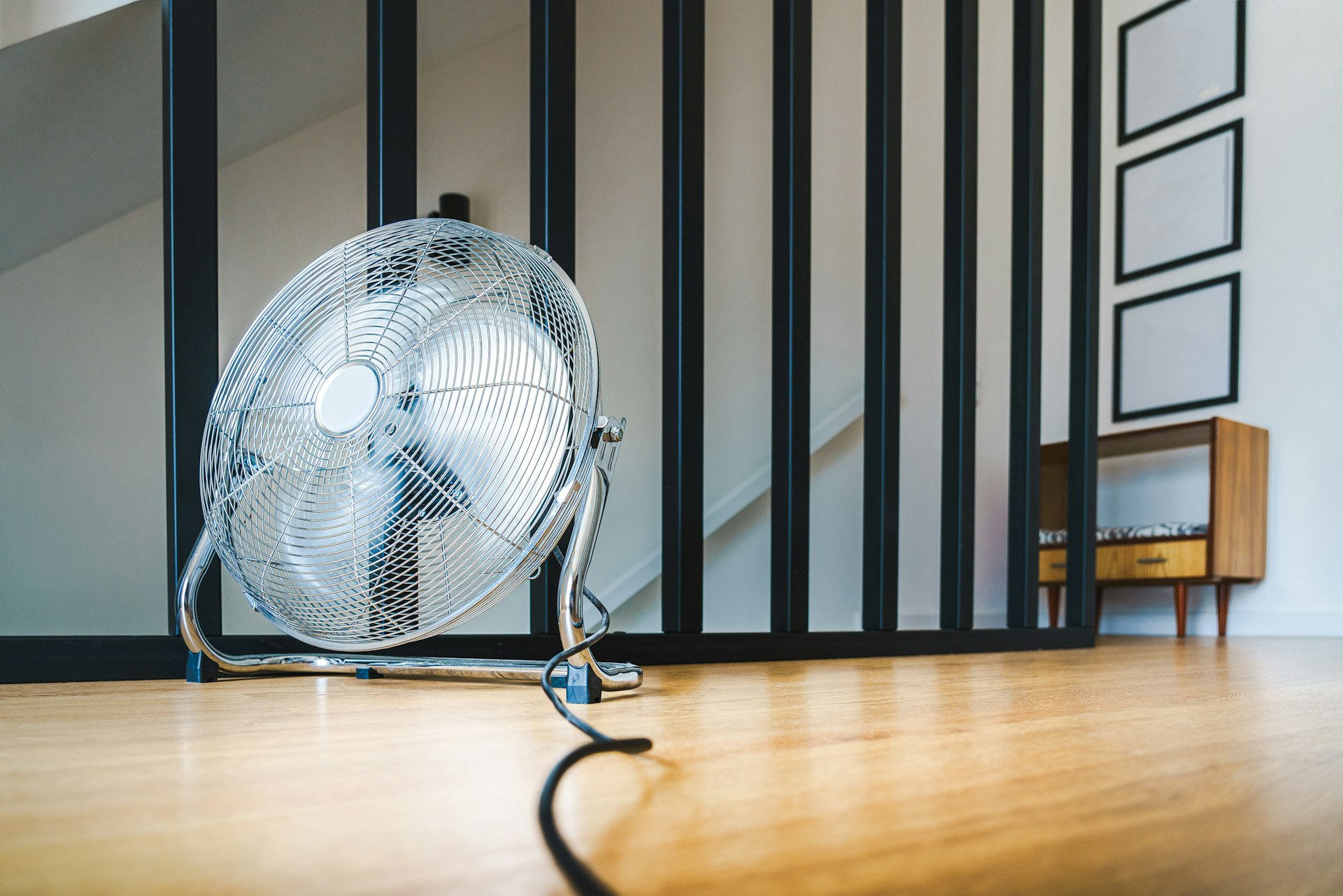
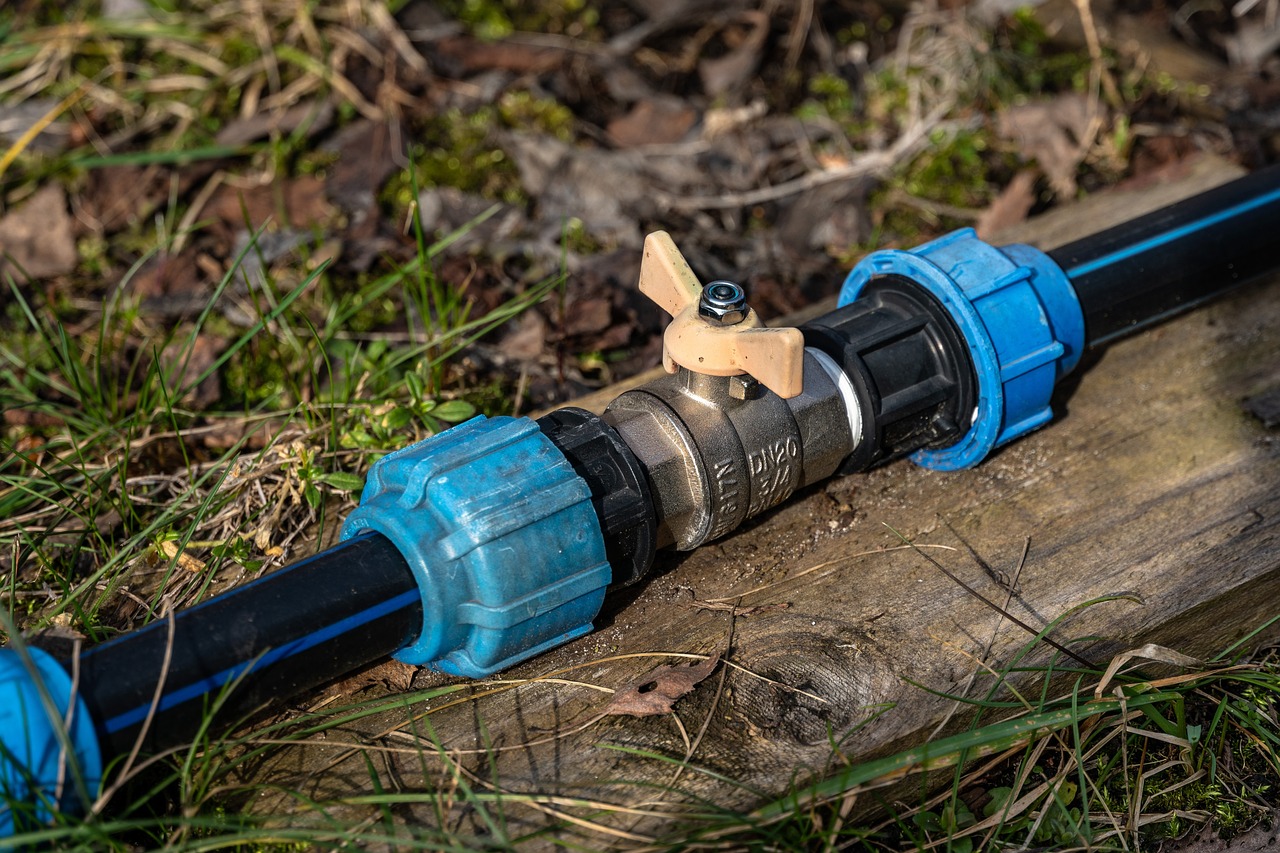

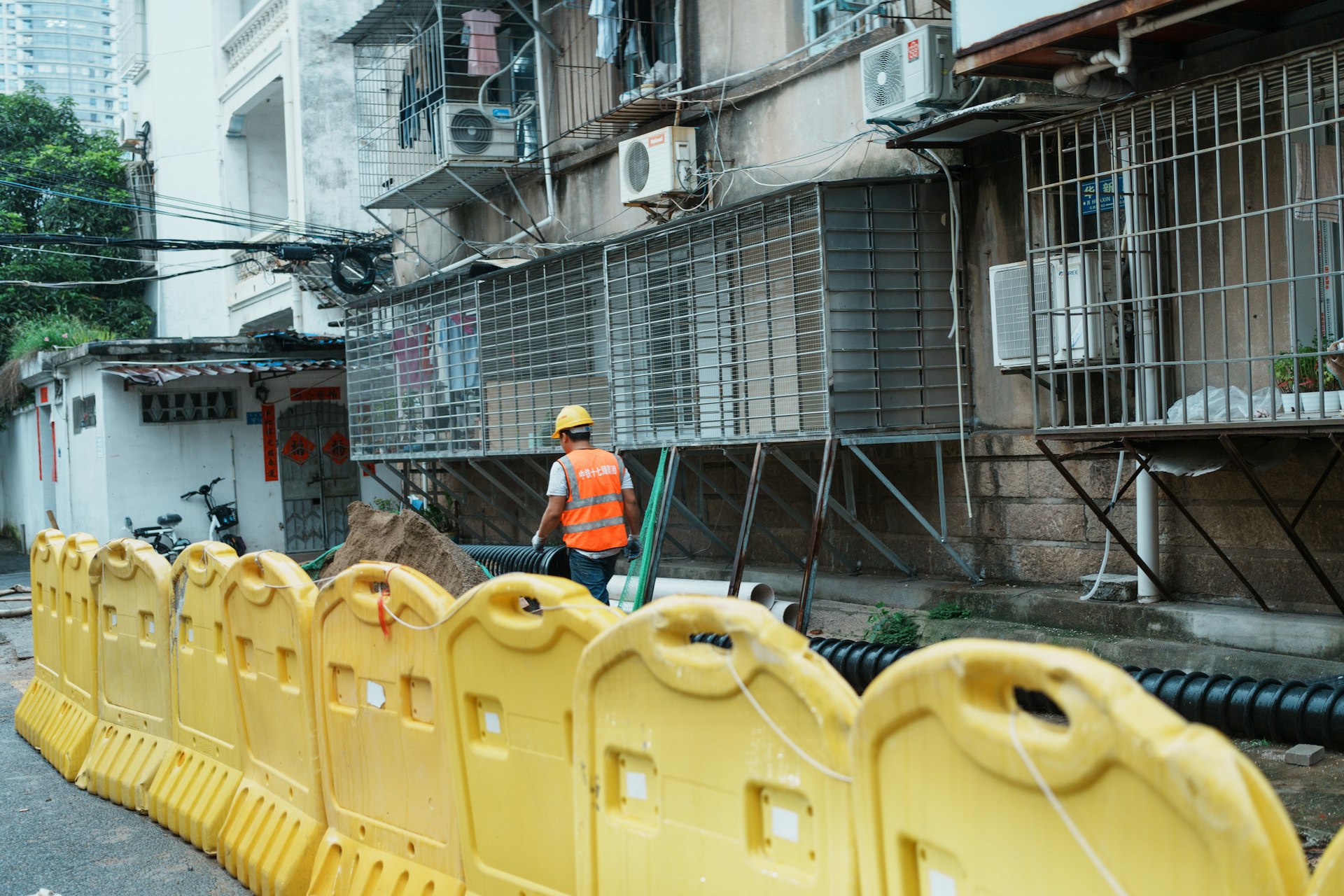
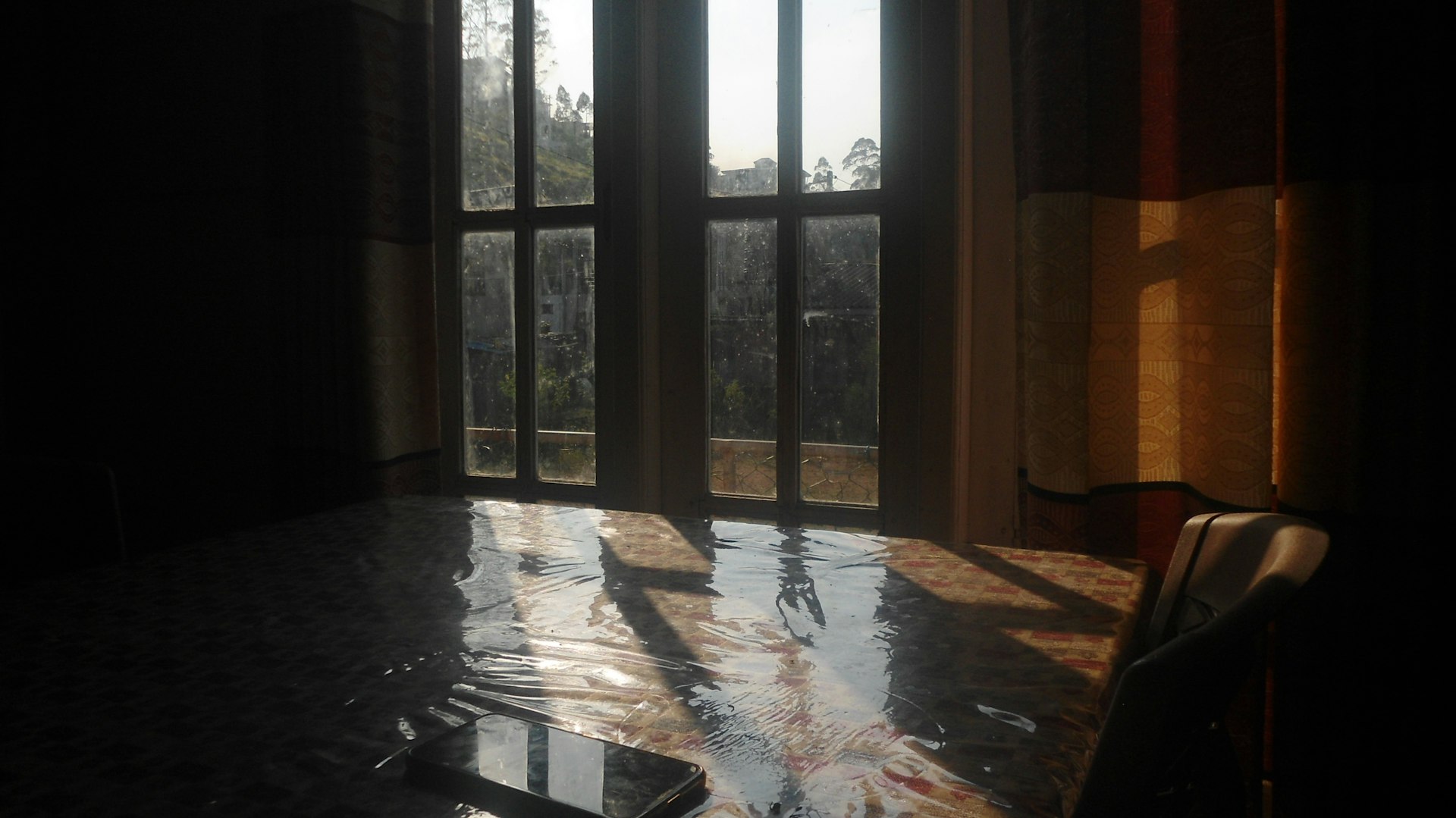
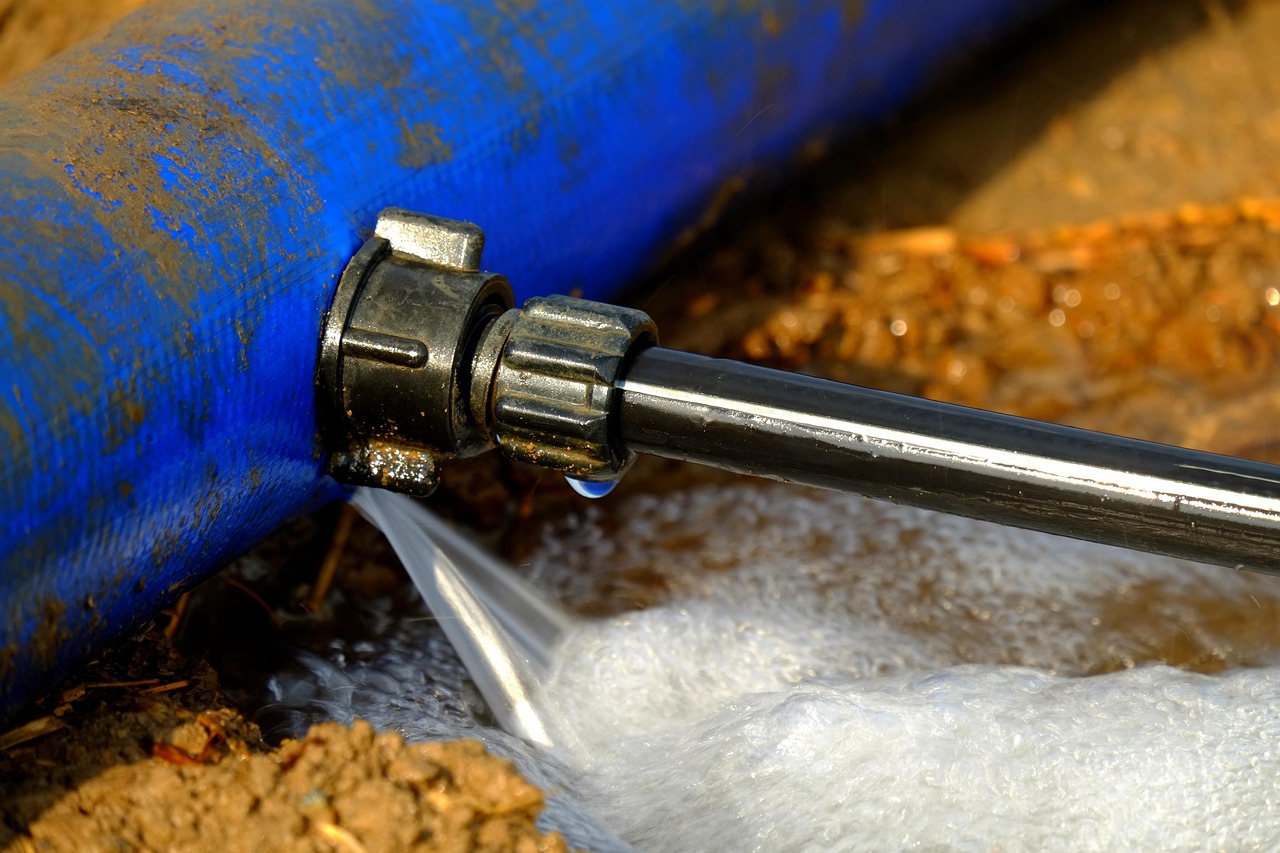
Representative photos of the kind of work local providers handle.
FAQ
Close the main water valve, usually near the front hose bib or in the garage, or at the meter box near the street. Turn off power to wet rooms from a dry floor, take photos, then call.
No. We run this website and the phone line. Your call goes to an independent restoration company that serves your address, sets its own price and does the work.
Look at pipes near the water heater and under sinks. Gray or sometimes blue flexible plastic pipe stamped PB2110, with crimped metal or plastic fittings, is polybutylene.
Many policies cover sudden damage such as a burst pipe or an overflowing AC pan. Many exclude slow leaks and flood. Some insurers ask about polybutylene when writing a policy. Read your policy and ask your agent.
Talk to a local provider
One call connects you with an independent restoration company that works across North Phoenix. They explain the plan and how the price is set before anything starts.
(602) 878-5475